
Property deed paperwork may look complete once it is signed, but the deed may still need to meet specific notarization, witness, and recording requirements. Deed notarization involves a notary performing the required notarial act and verifying the signer according to applicable state law.
If the required signing, notarization, witness, or recording requirements are not met, a deed may face delays or rejection when submitted for recording. The specific requirements depend on the state and, in some cases, the local recording office.
What Is Deed Notarization and Why Does It Matter?
Deed notarization involves a notary performing the appropriate notarial act, such as an acknowledgment or jurat, and verifying the identity of the signer as required by applicable law.
This reduces the risks of disputes concerning the legitimacy of a signature.
While notarization is one aspect of a property deed’s execution, the document may also need to include the correct names, legal description of the property, necessary signatures, and meet other requirements for recording.
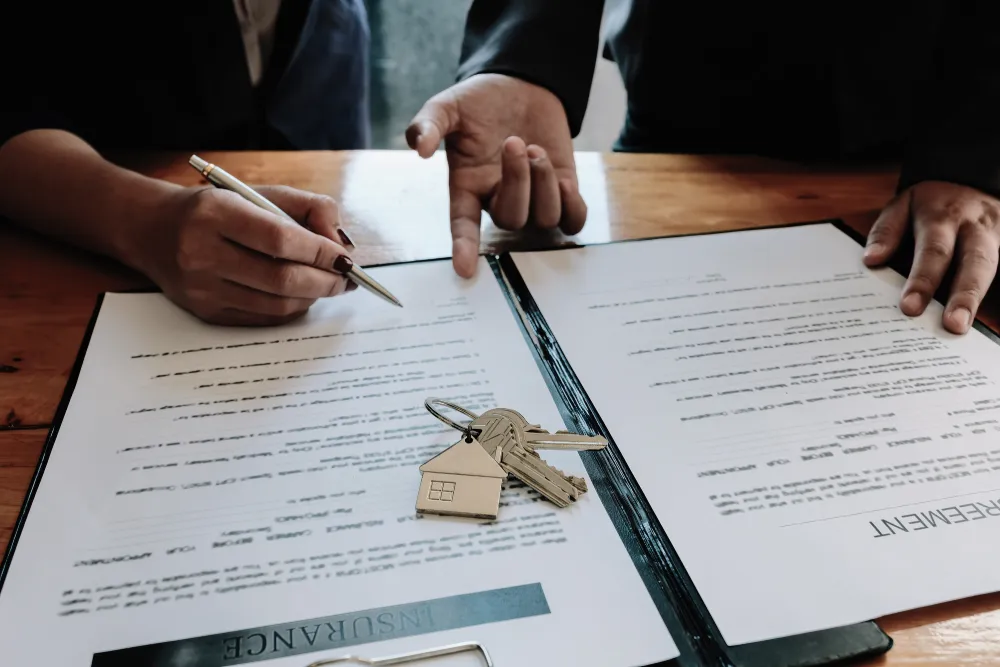
What Are the Notary Requirements for a Property Deed?
The notary requirements of a property deed may differ depending on the state. In general, the signer should present acceptable identification and appear before the notary, if applicable, and complete the necessary notarial acts.
Before signing deeds, make sure that the document is complete and accurate. Do not expect the notary to correct legal or title details.
Basic Notarization Checklist
Before meeting the notary, prepare:
- Completed deed
- Acceptable government ID
- Correct legal names
- Required signatures
- Proper notarial certificate
- Applicable recording information
How to Get a Property Deed Notarized: Step-by-Step
1. Prepare the Deed
Check the grantor, grantee, property description, signatures, and other information for accuracy, and make sure that the document relates to the transaction.
2. Find an Authorized Notary
Select a commissioned notary who is authorized to perform the required notarial act in the applicable jurisdiction. A loan signing agent may also assist with real estate closing documents when they are properly commissioned as a notary.
3. Verify Your Identity
Present an acceptable form of identification and let the notary confirm your identity based on their state’s requirements.
4. Sign as Required
Complete the notary instructions and applicable state laws. Some documents require the signer to appear before or sign in the presence of the notary.
5. Complete the Notarization
The notary completes the certificate, signature, seal, or other requirements that apply. Simply stamping a document is not enough to complete the process.
6. Record the Deed
The property deed typically needs to be recorded by a county or local office unless otherwise stated. The recording requirements may vary by jurisdiction.
Which Types of Deeds Need Notarization?
There are different types of deeds that govern different property transactions. However, the notarization and recording requirements still apply depending on the state law.
| Deed Type | Common Purpose |
| Quitclaim deed | Transfers whatever interest the grantor has |
| Grant deed | Transfers an ownership interest with specified assurances |
| Warranty deed | Provides broader title warranties |
| Bargain and sale deed | Transfers property with limited warranties |
| Mortgage deed | Used in some jurisdictions for secured transactions |
Knowing the type of deed helps explain the purpose of the transaction, but it does not determine all of the notarization, witness, execution, or recording requirements. A deed used in one state may have different requirements from a similar deed used in another jurisdiction.
Can a Loan Signing Agent or Online Notary Help?
A loan signing agent normally helps facilitate a mortgage or closing document’s signing. If a property deed is part of the transaction, make sure that the person assisting has authorization to perform the required notarial act.
An online notary service may be available depending on the jurisdiction’s remote notarization acceptance policy. Before choosing the service, ensure that remote notarization is legal for the document and that the recorded document can be accepted for the owner’s property location.
What Happens If a Deed Is Not Properly Notarized?
If a notarization is necessary but the deed is improperly completed, the recording office may return it to the owner or ask for revision. This affects the recording process and may cause delays for the property transfer.
Remember that notarization, recordation, and legal validity pertain to different matters. While a notary notarizes the document and confirms the notarial act, the recording office is responsible for the land records. Neither service guarantees that all title or ownership claims will be resolved.
What Should You Do If the Deed Is Rejected?
Start by reviewing the recording office’s stated reason for rejecting the deed. The issue could involve a missing signature, incorrect notarial certificate, formatting problem, unpaid recording fee, or another jurisdiction-specific requirement.
Correct this particular issue before reapplying for recording. If the issue concerns title, ownership, or other legal matters, consult a qualified real estate attorney for further guidance.

Deed Notarization vs. Other Real Estate Documents
A real estate deed transfers an interest in property, while other documents apply to different matters. An affidavit of title, for instance, confirms certain information concerning the title. Mortgages, powers of attorney, affidavits, and deeds may each have different execution requirements, so do not automatically expect that the same notarization rules apply for all documents in a real estate transaction.
Conclusion
Proper deed execution requires more than a signature. Since the requirements largely depend on the location, be sure to review them before signing the property deed. Taking this step will help you avoid spending much time and money on recording deeds, since the first one is rejected.
Frequently Asked Questions
Does a property deed always need to be notarized?
Not always; while some states or document types require notarization, it is best to check the location and recording requirements for the property that the deed covers.
What does a notary verify on a deed?
A notary normally verifies the identity of the signer and performs the appropriate notarial act. They usually do not evaluate the legality of the entire deed.
Can I notarize a deed online?
Sometimes. An online notary service may be available if the remote notarization service is available for the document type and applicable in the area.
Can someone else sign a deed for the owner?
Possibly, if the substitute has legal authority to act on behalf of the owner. Documents such as a power of attorney may have additional execution requirements and recording rules.
What happens if a deed is signed but not notarized?
Depends on the local jurisdiction; if notarization is a requirement but it is not completed, the deed may have to be revised for recording.
Does notarization prove property ownership?
No. Notarization confirms a notarial act, but does not establish property rights or ownership.
Can a loan signing agent notarize a deed?
It depends on whether the loan signing agent is commissioned and authorized to notarize deeds.
Does a quitclaim deed need notarization?
It depends on the jurisdiction and its requirements for quitclaim deeds and their recording.
Can a notary refuse to notarize a deed?
Yes, if the notary finds that one or more of the requirements cannot be completed for them for any reason.
Where is a notarized deed recorded?
It is usually recorded by the applicable land-records office for the property location, which may also be referred to as a county recorder, register of deeds, or county clerk.
