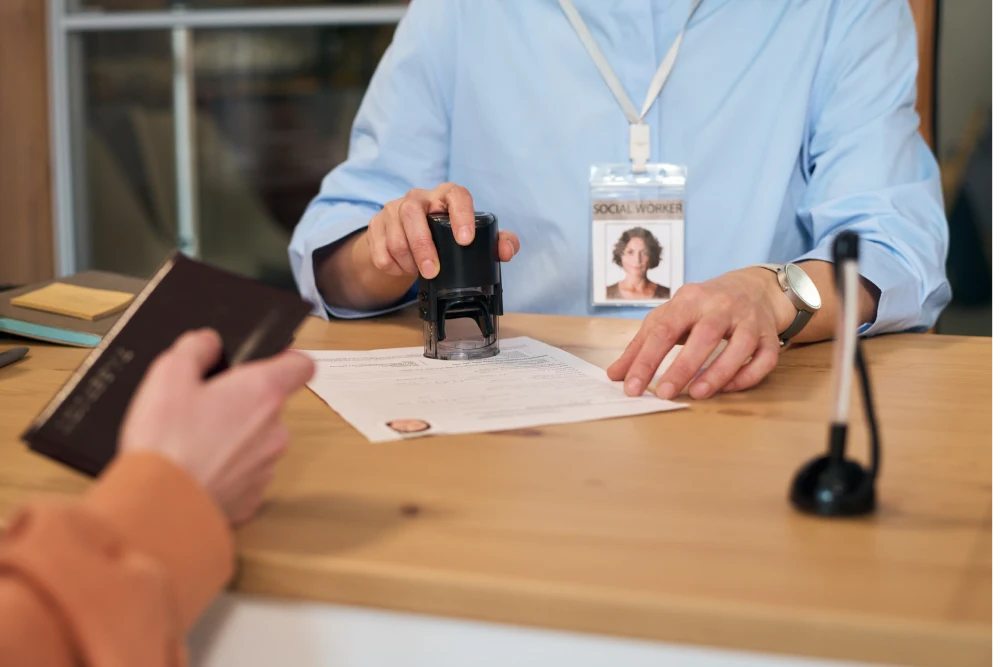
A notary will need to establish that the person signing the document is the proper individual prior to notarizing the document. It is one of the most crucial aspects of notarization. If you do not have proper Identification, the notary may need to delay or cancel the appointment.
Understanding notary ID requirements before your appointment can save time. The regulations vary from state to state, so an ID that is accepted in one state might not be accepted in another.
What ID Do I Need for a Notary?
So, what ID do I need for a notary? You’ll need to have a government-issued photo ID in many instances so that the notary can verify your identity.
Common examples include:
- Driver’s license
- State identification card
- U.S. passport
- Passport card
- Military identification
- Other identification documents accepted by the state’s laws
The notary can check to see if you are you, have the same photo, physical appearance, signature and other personal details. Some states also allow other forms of identification if a signer has not the typical type of identification.
Before your appointment, confirm which documents the notary accepts

What Makes an ID Acceptable?
Not all documents with your name on it are considered valid ID. A credit card, employee badge or just a regular document won’t suffice.
Your physical identification will normally be an original document and not just a photocopy or image on your mobile phone. The ID also may be required to be valid or issued within a certain time frame, depending on state law.
The job of the notary is to create reasonable assurance that the person whose name appears in the document is you. If the identification is not satisfactory, the notarization might not be completed.
Proof of Identity for Notary Services
Proof of identity for notary purposes is more than simply showing the notary your name. The notary must follow the identity-verification method required by the applicable law.
Depending on the circumstances, verification may involve:
- Reviewing government-issued identification
- Comparing the photograph with the signer
- Checking identifying information
- Using personal knowledge of the signer when permitted
- Using credible witnesses when specifically allowed by law
- Recording the notarization in a notarial journal when required
This depends on the jurisdiction, so it’s best to inquire from the notary what paperwork is necessary prior to signing.
How Notary Identity Verification Works
Notary ID requirements verification is to minimize the likelihood of a person signing another’s document in their name.
The notary typically will verify your identity and assure that you are in person to be sworn in. They may also ask questions that are required to verify your identity.
Checking your document’s legal content is not the same as verifying your identity. A notary will not make a determination of the fairness of the agreement nor of the legal correctness of the information in the document.
In case the document needs legal counsel, you may want to consult with an attorney.
Hospital Notary Services
Medical patients may not be able to go anywhere to get their documents notarized. Where the notary will be allowed to come into the hospital and all legal requirements are met, a hospital notary will be a practical solution.
This can include anything from powers of attorney, affidavits, estate documents, healthcare documents and more.
Coordinating a hospital appointment can involve extra steps as there are policies and procedures at hospitals regarding visitors, identification, security and access to patients.
Hospital Mobile Notary
A hospital mobile notary travels to the healthcare facility instead of requiring the signer to travel to a notary office.
When a person is too sick or injured to travel, or has undergone surgery, a mobile notary for hospital appointments can be really helpful.
Please give the notary the hospital’s name, location of the patient, document type and any facility restrictions before booking. This enables the setup of this appointment to be done more efficiently.
The notarial requirements, such as showing the identity of the person to be notarized and signing the document, must still be met by the person who will sign.
Jail Notary and Correctional Facility Services
Individuals who are detained may also require documents to be notarized. The requirements for appointments of jail notaries may be more extensive because the notary must adhere to correctional facility security procedures.
Services provided by correctional facility notaries might be subject to pre-scheduling, document verification, facility authorization and limits on the types of documents or materials that can be brought into the facility.
When it is necessary to have jail notary services, make an appointment with the facility and the notary before showing up.
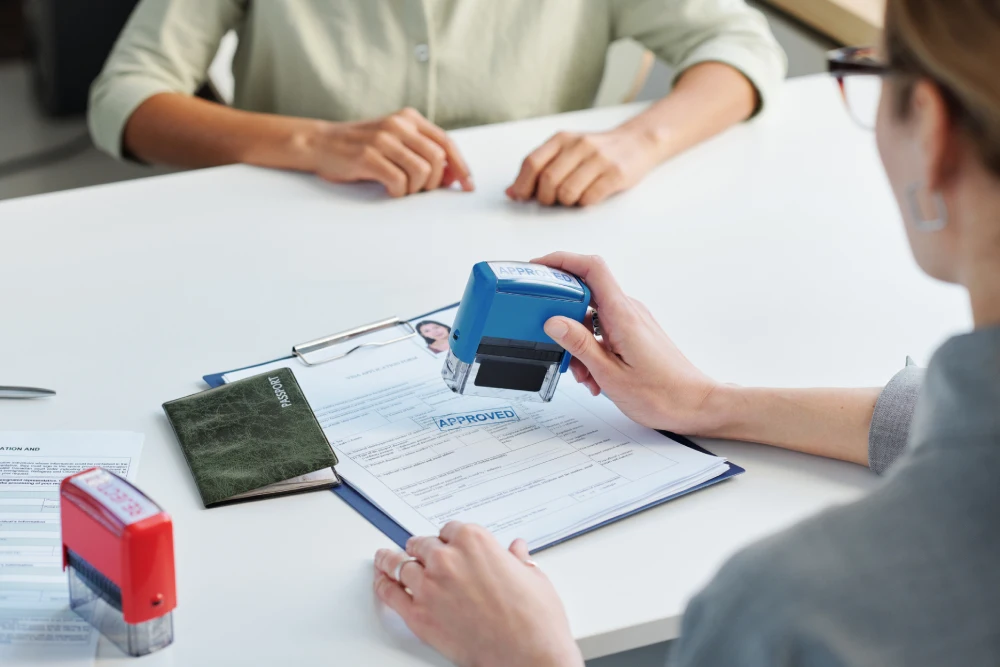
What Happens If Your ID Is Not Accepted?
If your identification does not meet the applicable notary ID requirements, the notary may be unable to complete the notarization.
This can happen when:
- The ID is too old or expired beyond the permitted period
- The name does not match the document and there is no acceptable explanation
- The ID is not an approved form of identification
- You only have a photocopy when an original is required
- The notary cannot reasonably establish your identity
Rather than taking the chance, contact the notary before your appointment and explain what identification you have.
Frequently Asked Questions
What are the basic notary ID requirements?
Most notarizations require an acceptable form of identification that allows the notary to reasonably establish the signer’s identity. Exact requirements depend on state law of notary ID requirements.
What ID do I need for a notary?
A driver’s license, state identification card, passport, or another government-issued ID may qualify. The specific requirements depend on the state where the notarization occurs.
Can I use an expired ID for a notary?
Sometimes. Certain states allow recently expired identification for a limited period, while others have different requirements. Confirm the rule with the notary beforehand.
Can I use a photocopy of my driver’s license?
A photocopy may not satisfy the applicable identification requirements. Ask the notary whether an original physical identification document is required.
Why does a notary need proof of identity?
The purpose is to establish that the person appearing before the notary is the person identified in the document and to help prevent fraudulent signatures.
What if my name has changed?
Tell the notary before the appointment. Depending on the circumstances, additional documentation may be needed to explain the difference between your identification and the document.
Can a hospital notary notarize documents for patients?
A hospital notary may be able to do so when permitted by state law and the hospital’s policies. The patient must still meet the applicable notarization requirements.
What is a hospital mobile notary?
A hospital mobile notary travels to a hospital or healthcare facility to provide notarization services to a signer who cannot conveniently travel to a traditional notary office.
Can someone in jail get a document notarized?
Often, arrangements can be made, but jail notary services must follow the facility’s security, scheduling, and identification procedures.
What if I do not have acceptable identification?
Ask the notary whether an alternative identification method is permitted in your state. Some jurisdictions allow specific alternatives, while others may require acceptable government-issued ID.
