
A notarized will is just a will that has a notary stamp on it. That stamp means a lot. It means a public official watched someone sign and checked their ID. Families fall apart after a death because nobody knows who gets what. A will stop that mess before it starts.
Can a Will Be Notarized
People call and ask can a will be notarized all the time. Yes. A notary can stamp a will just like they stamp any other paper. But listen up. That stamp alone does not make the will legal in most places. You still need witnesses. What the stamp does is make everything easier to prove later. If someone tries to say the signature is fake, the notary says no it is not. That is valuable.
Does a Will in Texas Have to Be Notarized
For everybody living in Texas, does a will in Texas have to be notarized is a huge question. Texas law says no. Two witnesses are enough. But here is the thing. Turn that will into a will and you get something called a self-proving affidavit. That means the judge looks at the will and says okay without calling your witnesses to court. Witnesses move away. Witnesses die. Witnesses forget everything. A notarized will in Texas avoids all that. Smart folks get it notarized anyway.
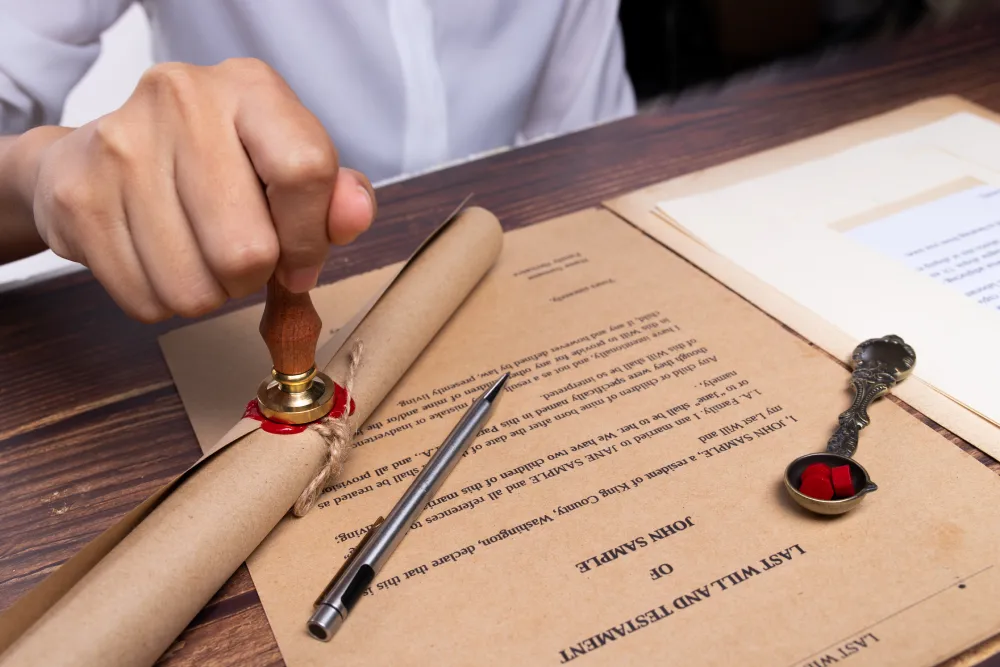
Where to Get a Will Notarized
Wondering where to get a will notarized? Look around. Notaries are everywhere. Here is where to find one:
– Banks and credit unions, free if you have an account
– Public libraries, just ask the front desk
– Shipping stores like UPS
– Courthouses downtown
– Mobile notaries who drive to your house
– Online notaries on a video call
Bring your driver license. And do not sign the will before you get there. The notary has to watch you sign. That is the whole point.
How to Obtain a Will
Learning how to obtain a will is not hard. You have choices:
– Hire a lawyer who does estate planning
– Go online and use a legal form website
– Write one by hand, but only some states accept that
– Buy a will kit at an office supply store
If you do not have much stuff, a simple online template is fine. If you have kids or a house or a small business, spend the money on a lawyer. After you write it, make it a notarized will for extra safety.
Do Wills Need to Be Filed
The question do wills need to be filed confuses everybody. No filing while you are alive. Your will stays private. Only you and maybe your lawyer know what it says. After you die, your executor files the original will at the probate court. Some states let you file a will early for safekeeping. That is up to you. A will does not need early filing. Just keep it safe and tell somebody where it is.
Is a Will Legally Binding
Many people ask is a will legally binding if they skip a step. A will becomes binding when you follow state rules. Here is what most states want:
– You are at least 18 years old
– You know what you are doing, sound mind
– Your will is written down
– You sign your name
– Two people watch you sign
A will does all that and more. The notary stamp proves the signatures are real. That makes it very hard for anyone to challenge the will in court. Nobody wants a family fight.
Can I Write My Own Will and Have It Notarized
Yes. In every state. No law says only lawyers can write wills. Grab a pen. Write down who gets what. Take it to a notary. The tricky part is making sure your words follow your state laws. A homemade notarized will works fine if you do not have much stuff. For complicated situations, a lawyer is money well spent.
How to Get a Copy of a Will After Death
Here is what you do when someone passes away:
– Call the executor named in the will
– Go to the probate court in that county
– Look up online court records
– Call the lawyer who helped make the will
– Ask the original notary for a copy
A notarized that goes through probate becomes a public record. Anybody can walk into the courthouse and get a copy for a few dollars.
How to Obtain a Copy of a Will
Same thing here, how to obtain a copy of a will depends on if the person is still alive. A living person does not have to show their will to anyone. That is private. After death, the executor has to give copies to the people named in the will. A notarized will is easier to track because the notary keeps a logbook of every signature.
Can You Write Your Own Will and Have It Notarized
Writing a will without a lawyer is allowed. Notarizing it is allowed. The key is following your state laws about witnesses. Some states want two witnesses plus the notary. Other states let the notary be the only witness. Check your local rules before you sign anything.
Who Can Notarize a Will
Understanding who can notarize a will stops last minute panic. Notaries are public officials. They check ID and watch signatures. Here is who can do it:
– A certified notary at your bank
– An online notary through a video call
– A mobile notary who comes to your door
– A court clerk with notary powers in some places
The notary cannot be someone who gets money or property from the will. That is a conflict of interest. Pick somebody neutral.

Do You Have to Have a Will Notarized
The short answer is no in most states. Two witnesses are enough. But here is why you should do it anyway. A will with a self-proving affidavit means nobody has to hunt down your witnesses years later. Witnesses move. Witnesses forget. Witnesses die. The notary stamp proves everything was done right. Skipping notarization is a risk. Why take that risk?
Six Simple Steps to a Notarized Will
– Sit down and decide who gets your stuff
– Pick an executor, that is the person in charge after you die
– Find two witnesses who get nothing from your will
– Take the unsigned will to a notary and sign right there
– Put that will in a fireproof box and tell your executor where
Mistakes That Wreck a Will
– Putting your will in a bank safe deposit box that locks up after you die
– Never updating your will after a divorce or a new baby
– Using witnesses who inherit money from your will
– Signing before the notary gets there
– Scribbling changes on the will after the notary stamps it
Conclusion
Look, a notarized will is not required in most states. But skipping that stamp is a gamble. That little notary stamp turns a regular will into a self-proving document. Less waiting for your family. Less chance of a court battle. Anybody can write their own will and have it notarized. Just follow your state rules about witnesses. For under twenty bucks, a will gives you real peace of mind. Do not leave your family to fight over your stuff. Get a will done.
Frequently Asked Questions
Can a will be notarized without witnesses present?
No, most states need two witnesses plus the notary. The notary makes sure the witnesses saw you sign. Without witnesses, a will will probably get thrown out by a judge.
Does a will need filing with the court before death?
No filing needed while you are alive. Keep the original somewhere safe. After you die, your executor files the will with the probate court in your county.
What happens if a notarized will cannot be found after death?
The court says it is lost. Your estate follows state law instead of your wishes. That means your closest relatives get everything, whether you wanted that or not.
Can a beneficiary witness a will?
No, never. A beneficiary who witnesses a will can lose their entire inheritance. Pick witnesses who get nothing from the will at all.
Is a handwritten will valid if notarized?
Some states accept handwritten wills without any witnesses. Adding a notary stamp helps prove the handwriting is yours. Check your local laws before relying on a handwritten will.
How much does it cost to get a notarized will?
Banks often do it for free if you have an account. Shipping stores charge five to fifteen dollars. Mobile notaries charge twenty-five to fifty dollars plus gas money.
Can an online will be used in any state?
Yes, remote online notarization is legal in most states now. Your notarized will still has to follow witness laws where you live. Online notaries are great for people who cannot leave the house.
Does a will expire?
No will ever expires. A notarized will stays valid until you write a new one. Getting married, divorced, having a baby, or someone dying are all reasons to write an updated will.
Who keeps the original notarized will?
You keep the original. Give a copy to your executor but never give away the original paper. The probate court needs the original will after you die.
Can a notarized will be changed without re-notarizing?
No, absolutely not. Changes need a formal codicil or a whole new will. Write a new notarized and throw away the old one. Handwritten scribbles on the original do not count anywhere.
